
What is Osteopathy
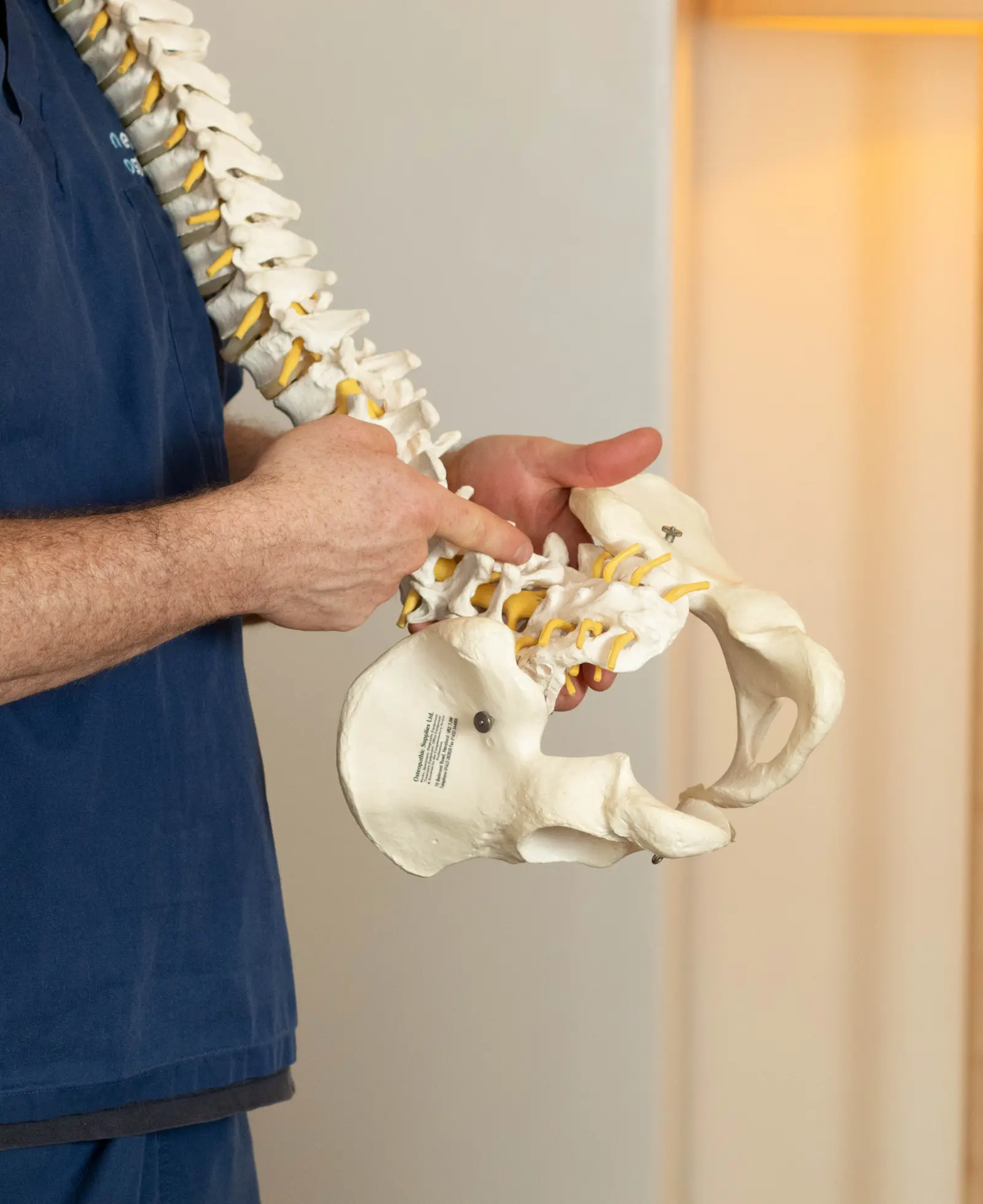
What is Osteopathy? Osteopathy is an evidence-based, regulated allied healthcare profession focused on helping people manage musculoskeletal pain, movement-related problems, and conditions affecting the body’s muscles, joints, ligaments and connective tissues. Osteopaths assess how the body functions as a whole, recognising that problems within the musculoskeletal system can affect overall health, mobility and wellbeing (General Osteopathic Council [GOsC], 2026a).
People seek osteopathic treatment for a wide range of conditions, including back pain, low back pain, neck pain, joint pain, and persistent or recurrent musculoskeletal symptoms. Osteopaths are well known for treating back pain but can also help with many other muscle, joint and nerve-related problems, including:
- Low back pain and upper back pain
- Neck pain and stiffness
- Shoulder, hip, knee and hand pain
- Headaches associated with muscle tension
- Sciatica and nerve-related pain
- Muscle strains and overuse injuries
- Joint stiffness and arthritis-related disco
What Does Osteopathic Treatment Involve?
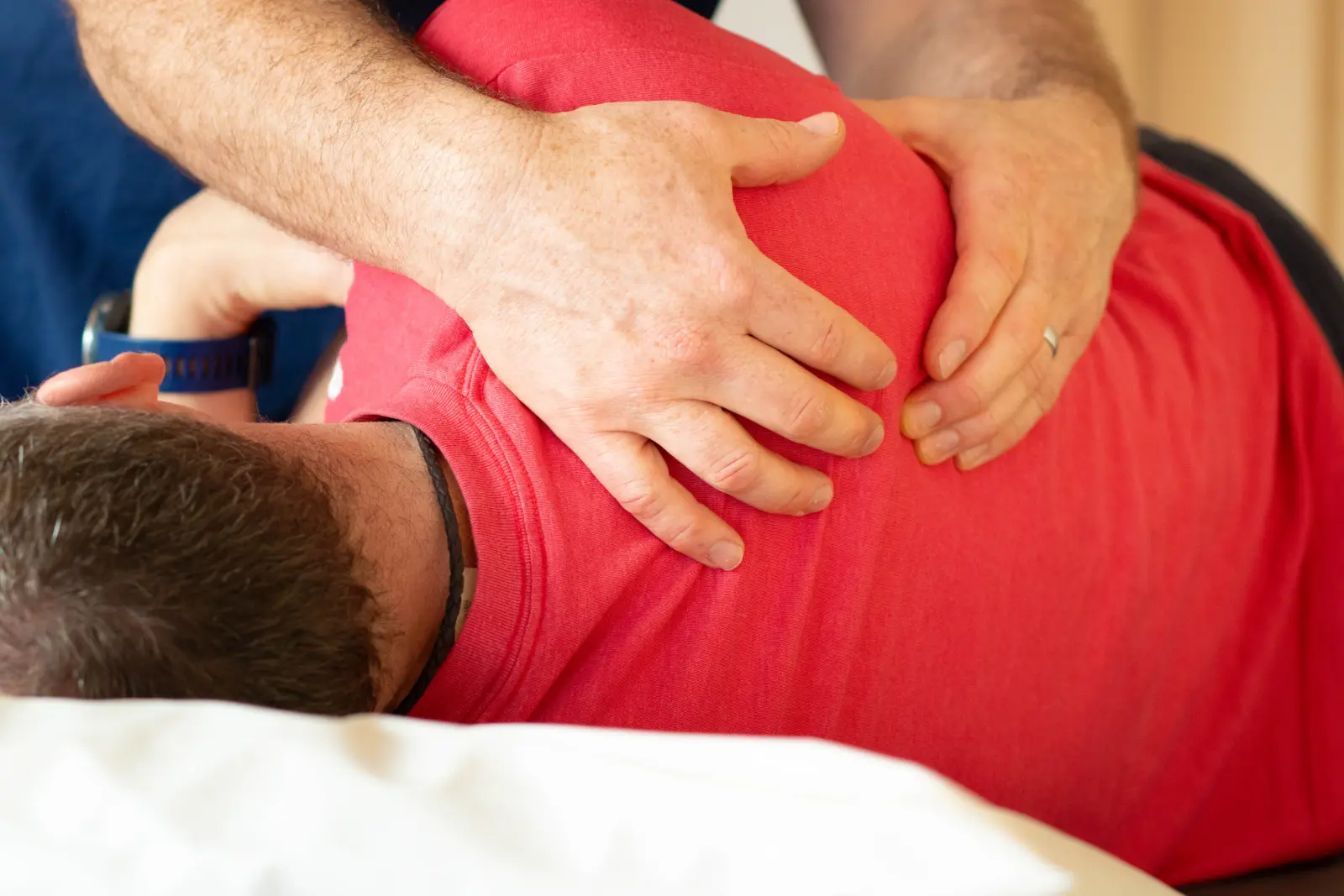
Osteopathic treatment combines hands-on manual therapy with exercise, movement advice and self-management strategies to support recovery and long-term wellbeing.
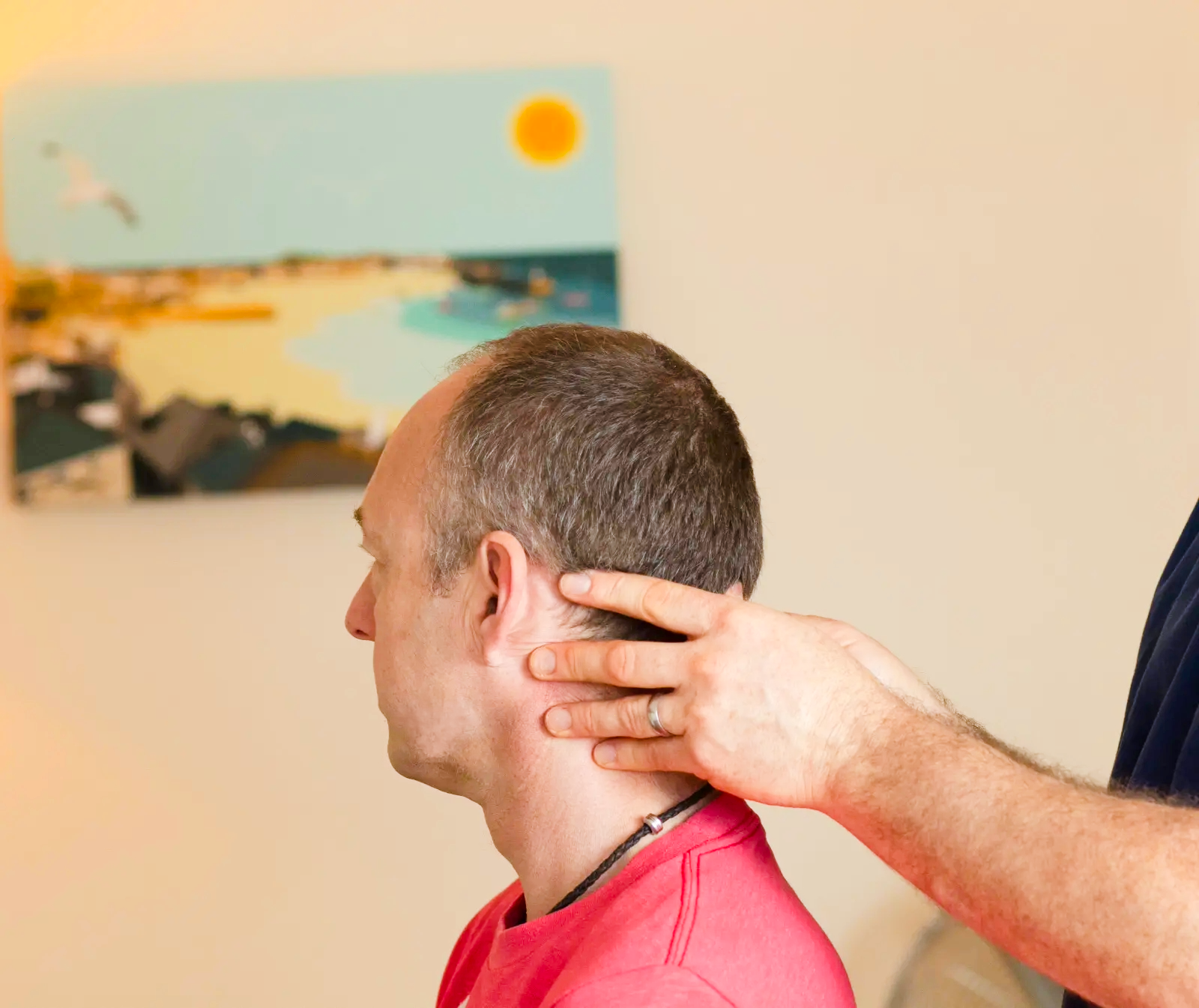
Hands-on treatment may include techniques such as soft tissue massage, stretching, joint articulation, mobilisation and gentle manipulation where appropriate. These approaches aim to improve movement, reduce pain sensitivity, relieve muscle tension and increase comfort.
Exercise and movement advice are also an important part of osteopathic care. Osteopaths can provide guidance on appropriate exercises, posture and everyday movement to help people manage back pain, neck pain and other musculoskeletal conditions, while supporting long-term function and preventing symptoms from recurring.
Osteopathy for Chronic Pain and Active Lifestyles
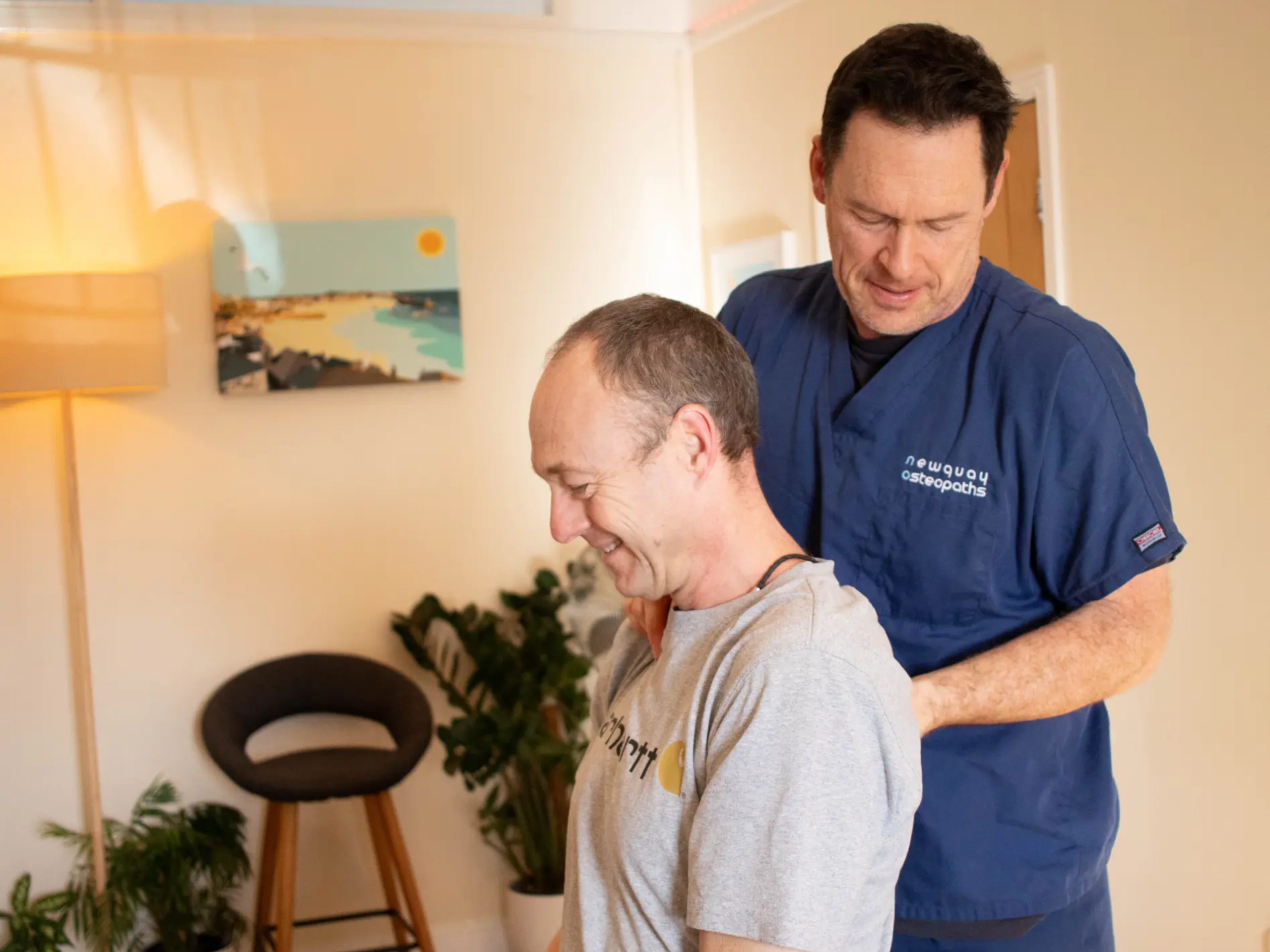
Osteopathy can support people living with chronic pain, arthritis and joint stiffness by helping maintain movement, reduce flare-ups and improve daily function. Treatment is tailored to each individual, taking into account their symptoms, medical history, lifestyle, activity levels and personal goals.
Osteopaths also work with active individuals, athletes and people experiencing work-related pain to support recovery from injury and help them return to their usual activities safely and confidently.
Patient-Centred Care
Osteopathic care is centred around the individual. Rather than focusing only on symptoms, osteopaths consider the wider context of a person’s health, including lifestyle, work demands and personal circumstances. This allows treatment plans to be adapted to each person’s needs and goals (GOsC, 2026a).
Training and Regulation
In the UK, osteopaths are legally regulated healthcare professionals. All osteopaths must be registered with the General Osteopathic Council (GOsC), the profession’s regulator established under the Osteopaths Act 1993. To qualify, osteopaths complete 4 or 5 year degree-level training involving extensive academic study, clinical practice and ongoing professional development to ensure safe and high-quality care (Institute of Osteopathy, 2026; GOV.UK, 2026).
Registered osteopaths must also maintain their knowledge and skills through Continuing Professional Development (CPD), ensuring they continue to provide effective and evidence-informed care.
Osteopathic Links
The following information about osteopathy may be of interest:
About Osteopathy: UCO School of Osteopathy (formerly the British School of Osteopathy / BSO)
What is Osteopathy: European School of Osteopathy Youtube video
Who are Osteopaths: Institute of Osteopathy Youtube video